
How Pharma Struggles to Repurpose Medical Content at Scale
In today’s rapidly evolving pharmaceutical landscape, communicating scientific information effectively across multiple channels has become a critical challenge.

In today’s rapidly evolving pharmaceutical landscape, communicating scientific information effectively across multiple channels has become a critical challenge.

For many organisations, AI promises efficiency, faster output, and the ability to personalise communication across channels. However, scaling volume alone does not automatically translate into greater engagement or trust.

In this insightful article, the emphasis is on bolstering engagement with healthcare professionals (HCPs), which is vital for pharmaceutical companies aiming to cultivate relationships and improve patient care. The piece outlines a five-step process, commencing with analysing the current HCP engagement strategy to pinpoint what’s effective. It highlights the importance of selecting apt platforms that resonate with HCP preferences, and utilising digital tools for efficient communication. Additionally, the article stresses the need to develop a refined engagement strategy with clear, measurable goals, and employing data analytics to optimise the engagement process through ongoing feedback and insights.

Understanding and implementing efficient strategies for engaging healthcare professionals (HCP) is a significant aspect of pharmaceutical companies’ operations. These strategies, spanning face-to-face interactions to digital platforms and thought leadership programs, enable these companies to optimise HCP engagement, build strong relationships, and improve patient outcomes. The choice of platform, providing personalised and relevant content, interactive features, and consistent commitment, is a key determinant of an effective HCP engagement strategy.

Uncover the ‘why’ behind the importance of healthcare professional engagement in the pharmaceutical industry. Explore how understanding needs, offering tailored resources and strategic communication can drive better health outcomes and foster invaluable relationships.
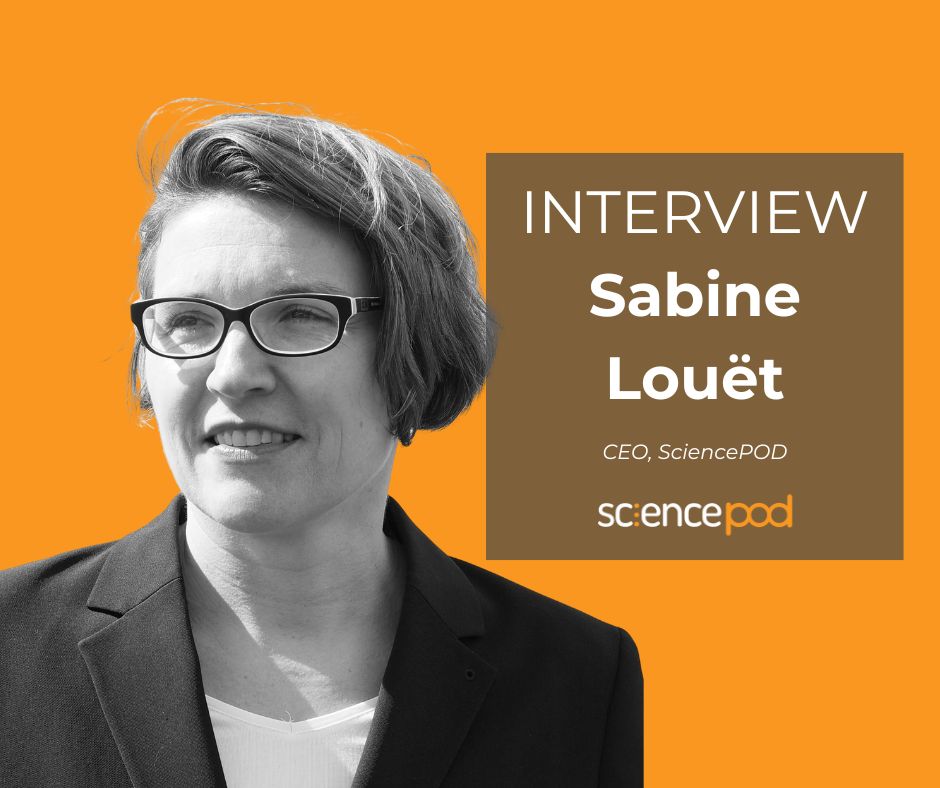
Artificial Intelligence (AI) is set to be the future of research productivity, with a focus on ‘extractive summarisation’ for time-saving benefits. SciencePOD’s ScioWire Widget, as explained by CEO Sabine Louët, utilises AI to provide structured research summaries in a customisable newsfeed format. This innovative tool offers ‘augmented insights’ for individual publications and enhances the attractiveness and impact of journals. The ScioWire beta system generates newsfeeds that condense complex studies into accessible, brief summaries, thus aiding scientists in deciding the relevance of full text studies.
What sets these summaries apart is the contextual layer they provide, offering main keywords, definitions of technical terms and the answers to key study questions. This, coupled with the extractive summarisation technique, preserves the research’s integrity and avoids AI-related ‘hallucinations’. The ScioWire beta Widget can be embedded in third-party websites, bringing customised research directly to the professionals who need it. Highly adjustable, it offers automated translations and the ability to create personalised feeds for users and organisations alike. As Louët affirms, the future of research summarisation is tied to advances in natural language processing and machine learning, with AI set to revolutionise research accessibility and impact.

HCP engagement is a continuous process of sharing critical information with healthcare professionals (HCPs), enabling them to make informed decisions on medicine prescriptions. This engagement facilitates strong relationships, drives innovation, and ultimately enhances patient outcomes.
The pharmaceutical industry values HCP engagement highly due to HCPs’ crucial role in prescribing treatments. Engaging effectively with HCPs provides them with pertinent product information, helps to establish pharmaceutical companies as trusted healthcare partners, and ensures their messages aren’t overlooked.

Rémi Quirion, Quebec’s Chief Scientific Adviser, is advocating for more widespread scientific advice at the municipal level to better serve citizens during emergency situations such as pandemics and climate change-related disasters. He proposes creating scientist-in-residence positions and training programs for scientific advice in municipalities. With proximity being essential, having scientific advisers at the municipal level will help citizens better understand the steps they can take to mitigate environmental issues. Quirion’s work in creating a North American chapter of the International Network of Science Advisors to Governments (INGSA) is a significant step towards increasing the delivery of scientific advice to cities. Overall, Quirion’s approach is an innovative solution to better serve citizens during times of crisis.

There is a lot to be learned from digital communication or digital marketing managers from the ever-changing way in which mainstream audiences seek and consume news. This year’s Digital News Report (DNR) 2022 published by the Reuters Institute reveals some key insights into the content consumption habits of mainstream media audiences. The comprehensive report spanning 46 countries describes some of the main trends that …

Uncover the importance of pharma HCP engagement and segmentation in strengthening relationships with healthcare professionals, facilitating informed decisions, and ultimately improving patient outcomes.